Dental Bridges in Columbus, OH
A missing tooth can affect chewing, appearance, and the way neighboring teeth function together. At Near Me Dental, patients considering dental bridges in Columbus, OH, can receive an individualized evaluation to explore appropriate tooth replacement options. Dental bridges restore spaces created by missing teeth with artificial replacements that receive support from neighboring teeth or implants, based on the type of bridge used.
What Is a Dental Bridge?
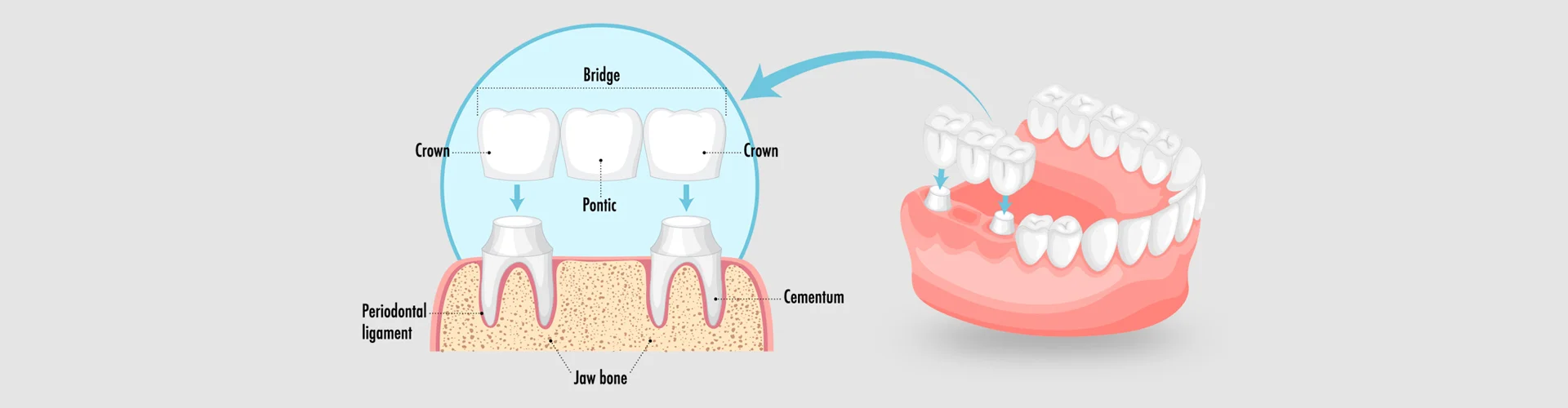
Dental bridges are fixed restorations designed to replace one or more missing teeth. The replacement tooth within a bridge is called a pontic. Depending on the design, the pontic may be supported by natural teeth, dental implants, or another appropriate structure.
A traditional dental bridge typically uses crowns placed on the abutment teeth adjacent to the missing-tooth space. These teeth provide support for the pontic between them. Because treatment needs vary, your dentist should evaluate the condition of the supporting teeth, gums, bone, and bite before recommending a bridge.
If you are searching for a dental bridge near me, an examination can help you determine whether a bridge or another missing-tooth replacement option may suit your oral health needs.
Types of Dental Bridges
Your dentist can determine which bridge design may be suitable by evaluating the missing-tooth area, nearby teeth, bone support, and your bite.
A tooth-supported bridge relies on selected natural teeth for support. A traditional dental bridge is a common example and generally requires preparation of the abutment teeth so crowns can be placed over them.
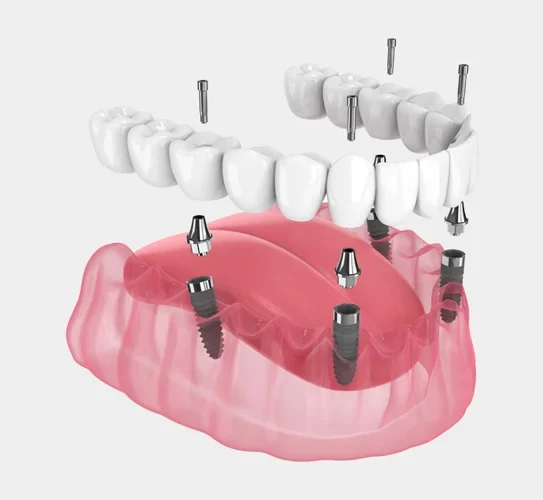
An implant-supported bridge uses dental implants rather than natural teeth for support. For patients missing multiple teeth, this type of bridge may be considered after evaluating factors such as gum health, available bone, overall health, and other clinical findings.
Patients exploring dental bridge services in Columbus can discuss the differences between bridge designs and other tooth replacement options before deciding on treatment.
How Is a Dental Bridge Planned?
Bridge treatment begins with an examination of your teeth, gums, missing-tooth space, and existing dental work. Your dentist may also assess occlusion and bite alignment because the way your teeth come together can influence bridge design and the forces placed on the restoration.
For a tooth-supported fixed dental bridge in Columbus, OH, the condition of the potential abutment teeth is particularly important. Your dentist can evaluate whether these teeth have enough healthy structure and periodontal support to help support the planned restoration.
Near Me Dental takes a comprehensive approach to restorative dentistry by considering your oral health, bite, supporting structures, and treatment goals. Advanced technology may also be used when clinically appropriate to support evaluation and treatment planning.
What Happens During Bridge Treatment?
The treatment process varies according to the type of bridge being planned. For a traditional tooth-supported bridge, the abutment teeth generally need to be prepared so the supporting crowns can fit over them.
Information about the prepared teeth and missing-tooth space is then used to plan the restoration. The bridge is designed to replace missing teeth while considering fit, bite, and appearance. A temporary restoration may be used when appropriate while the final bridge is being prepared.
Once the final bridge is ready, your dentist can evaluate its fit and how it contacts the opposing teeth before securing it in place. Implant-supported treatment follows a different process and may involve additional stages related to implant placement and healing.
Benefits and Limitations of Dental Bridges
For suitable patients, a dental bridge may provide a fixed tooth-replacement option that supports chewing function and fills the visible space left by a missing tooth. Unlike a removable appliance, a fixed bridge is designed to remain in place during everyday activities.
However, a bridge is not appropriate for every patient. Traditional bridges require preparation of supporting teeth, and the long-term condition of the restoration can be influenced by oral hygiene, bite forces, the health of abutment teeth, and other individual factors.
If you are considering a tooth replacement bridge in Columbus, your dentist can explain the benefits, limitations, and alternatives based on your examination findings. Depending on your needs, other options may include a dental implant or removable prosthesis.
Caring for a Dental Bridge
Daily oral hygiene is important around a dental bridge. Daily care should include cleaning beneath the pontic and around the teeth or implants that support the bridge, especially in areas that may be difficult to reach with a toothbrush.
Your dental team can demonstrate appropriate cleaning techniques and recommend suitable interdental aids based on your bridge's design. Regular dental examinations also help your dentist monitor the restoration and support the teeth, gums, and bite over time.
The lifespan of a bridge varies, so treatment should not be described as permanent or guaranteed to last for a specific number of years. Near Me Dental offers flexible financing options that may help qualifying patients manage recommended dental care and welcomes patients from Bexley, Pickerington, Canal Winchester, and surrounding communities.
Explore Your Tooth Replacement Options
Missing a tooth or considering a fixed replacement? Schedule a consultation with Near Me Dental in Columbus to discuss whether a dental bridge or another restorative option may be appropriate for your oral health needs.
Frequently Asked Questions
A dental bridge may replace one or more missing teeth when suitable support is available. An examination can help determine whether a bridge is appropriate for your situation.
A traditional bridge is generally supported by prepared abutment teeth on either side of the missing-tooth space. Their health and structure should be evaluated before treatment.
A fixed dental bridge is secured to supporting teeth or implants and is not intended to be removed by the patient for routine cleaning.
Cleaning beneath the pontic is important because a standard toothbrush may not reach this area effectively. Your dental team can recommend flossing techniques or other interdental cleaning aids based on your bridge.
There is no single lifespan for every bridge. Longevity can depend on oral hygiene, bite forces, supporting teeth or implants, bridge design, and other individual factors. A bridge may eventually require repair or replacement.