
Restorative Dentistry in Columbus, OH
Decay, fractures, missing teeth, and worn or damaged restorations can affect how your teeth look and function. At Near Me Dental, patients considering restorative dentistry in Columbus, OH, can receive an individualized evaluation to identify dental concerns and discuss appropriate treatment options. Restorative care repairs or replaces teeth as needed while supporting oral health, tooth preservation, and everyday function.
What Is Restorative Dentistry?
Restorative dentistry includes treatments to repair damaged or decayed teeth and replace missing teeth. The type of care recommended depends on the condition of the affected tooth, the amount of healthy structure remaining, your bite, and other oral health factors.
If you are searching for a restorative dentist near me, an examination can help identify problems that may require treatment. Your dentist can evaluate your teeth, gums, bite, and existing dental work before discussing the most appropriate restorative approach.
Restorative treatment varies from person to person. Some concerns can be managed with a relatively conservative restoration, while teeth with more extensive damage or missing teeth may require a different approach.
What Conditions May Require Restorative Care?
Restorative care may be considered for cavities, chipped or fractured teeth, worn teeth, failing restorations, and missing teeth. Treatment begins by determining what has affected the tooth and how much healthy structure remains.
Cavity treatment, for example, may involve removing decayed tooth structure and restoring the area when the tooth can be repaired. Damaged tooth repair can vary depending on the location and extent of the problem. A small area of damage may require a different restoration than a tooth with a larger fracture or substantial loss of structure.
Patients considering restorative care in Columbus, OH, can have these concerns evaluated before we recommend treatment. When possible and clinically appropriate, we consider tooth preservation when planning care.
What Restorative Dental Services May Be Considered?
Different restorations serve different purposes. Near Me Dental takes a comprehensive approach to care by considering the condition of the affected tooth, surrounding teeth, bite, and individual treatment needs.
Dental fillings may repair certain cavities or minor tooth damage after the affected structure has been treated.
Dental crowns cover a prepared tooth and may be recommended when more extensive restoration is needed because of decay, fracture, wear, or other structural concerns.
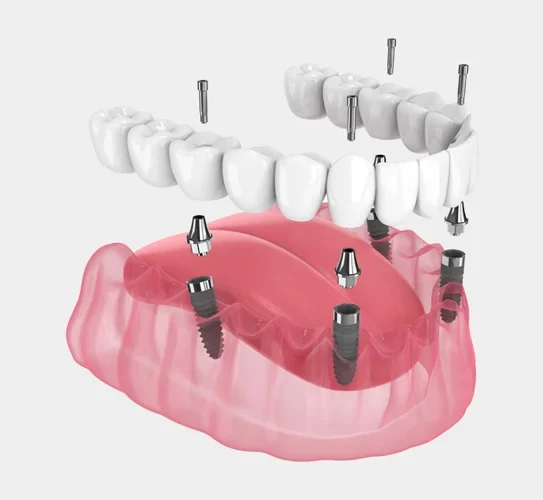
Dental bridges may be used in certain cases to restore spaces left by one or more missing teeth. Other replacement approaches may also be considered depending on oral health and individual needs.
If you are exploring restorative dental services in Columbus, an examination can help determine the right option rather than assuming the same restoration fits every dental problem.
How Is Restorative Treatment Planned?
Treatment planning begins with an examination of the affected teeth and surrounding oral structures. Your dentist may consider the extent of decay or damage, remaining tooth structure, gum health, existing restorations, tooth position, and how your teeth come together.
When clinically appropriate, advanced technology may be incorporated to support evaluation and restorative treatment planning. The specific approach used depends on your dental condition and recommended care.
For tooth restoration in Columbus, the goal is to select an approach that addresses the dental problem while preserving healthy tooth structure when possible. Depending on the situation, treatment may focus on repairing an existing tooth or discussing replacement options when a tooth cannot be predictably restored.
How Can Restorative Dentistry Support Oral Function?
Damaged or missing teeth can affect chewing, bite relationships, and the way forces are distributed across the teeth. Appropriate restorative treatment may help improve function by repairing damaged teeth or replacing missing ones.
Oral function restoration does not involve a single procedure. The treatment needed depends on which teeth are affected, the condition of the remaining structures, and how the upper and lower teeth work together.
Restorations also require ongoing care. Regular brushing, cleaning between the teeth, and professional dental visits remain important after treatment. Your dentist can monitor restorations and surrounding tissues over time and identify concerns that may require attention.
Near Me Dental offers flexible financing options that may help qualifying patients manage recommended dental care and welcomes patients from Reynoldsburg, Canal Winchester, Brice, and surrounding communities.
Discuss Your Restorative Care Options
Concerned about a damaged, decayed, or missing tooth? Schedule an evaluation with Near Me Dental in Columbus to understand your restorative options and discuss care based on your teeth's condition and your individual needs.
Frequently Asked Questions
Restorative dentistry can treat cavities, damaged or fractured teeth, worn restorations, and missing teeth. Treatment recommendations can vary based on the health of the affected teeth and the tissues that support them.
Your dentist can examine the affected tooth, remaining healthy structure, bite, and other clinical factors before recommending a restoration. Treatment may involve a filling, crown, bridge, or another option depending on your needs.
In some situations, restorative treatment can help preserve a natural tooth by repairing damaged or decayed structure. Whether a tooth can be restored depends on the extent of damage, available healthy structure, periodontal support, and other clinical factors.
Possible tooth replacement approaches may include a dental bridge, dental implant restoration, or removable prosthesis, depending on the individual situation. An evaluation is needed to determine which options may be appropriate.
There is no single lifespan for every restoration. Longevity varies based on the type of restoration, the condition of the supporting tooth or teeth, bite forces, oral habits, home care, and other individual factors.