
Oral Surgery in Columbus, OH
Some dental conditions require surgical treatment when routine restorative care cannot adequately address the problem. At Near Me Dental, oral surgery in Columbus, OH, begins with a careful evaluation to understand your dental needs and determine an appropriate treatment approach. Depending on the clinical findings, surgical care may be considered for impacted or damaged teeth, certain tooth extractions, implant-related treatment, and other conditions affecting the mouth or supporting structures.
When Might Oral Surgery Be Recommended?
Oral surgery may be recommended for certain problems involving the teeth, gums, jawbone, or surrounding oral tissues. A surgical tooth extraction may be considered when a tooth cannot be predictably removed with a routine extraction, while impacted teeth may require additional surgical access. Wisdom teeth may also need evaluation if they are causing symptoms or contributing to oral health concerns.
If you are searching for an oral surgeon near me, a dental evaluation can help clarify what type of care you need and whether referral to an appropriate specialist is necessary. Near Me Dental takes a comprehensive approach by considering your symptoms, examination findings, dental history, and treatment needs before recommending the next step.
Oral Surgical Procedures and Treatment Planning
The type of procedure recommended depends on the condition being treated. Oral surgery services in Columbus may involve surgical tooth extraction, wisdom tooth removal, implant-related surgery, bone grafting, or evaluation of abnormal oral tissue when clinically indicated. Not every patient will need the same procedure, and some conditions may require care from an oral and maxillofacial surgeon or another specialist.
Before treatment, your dentist can explain why a procedure is being considered, the available alternatives, the expected benefits, the relevant risks, and what to expect during recovery. Near Me Dental may incorporate advanced technology when appropriate to assist with evaluation and surgical treatment planning.
Tooth Extractions and Impacted Wisdom Teeth
A tooth may require surgical removal when it is severely damaged, difficult to access, broken below the gumline, or impacted. Wisdom teeth can also become partially or fully impacted when they do not have enough room to emerge normally. However, not every impacted or wisdom tooth automatically needs to be removed.
When considering oral surgery in Columbus, Ohio, your dentist will evaluate the tooth, surrounding tissues, symptoms, and other clinical findings before recommending treatment. Diagnostic imaging may be used when appropriate to assess the position of the tooth and nearby structures. When removal is recommended, the treatment plan should be based on the individual condition rather than solely on the presence of a wisdom tooth.
Implant Surgery, Bone Grafting, and Oral Biopsy
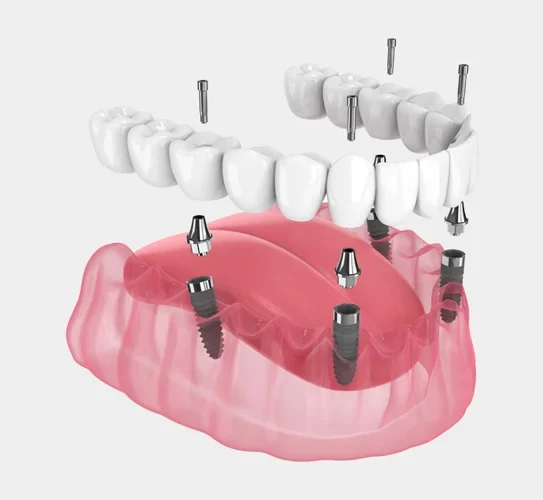
Oral surgical care may also be part of replacing a missing tooth. Dental implant surgery involves placing an implant into the jawbone to provide support for a future dental restoration. Some patients may need bone grafting when additional bone support is required before or in conjunction with certain implant procedures. Whether either treatment is suitable depends on individual oral health, bone anatomy, medical history, and other clinical factors.
Patients searching for oral surgical procedures near me may also need evaluation for an unusual area of oral tissue. When clinically indicated, an oral biopsy involves obtaining a tissue sample for laboratory examination. A biopsy is a diagnostic procedure and does not by itself mean that cancer or another serious condition is present.
Comfort, Safety, and Recovery After Oral Surgery
Local anesthesia is commonly used during many dental surgical procedures to numb the treatment area. The specific approach to anesthesia or sedation depends on the procedure, individual health considerations, and the setting in which treatment is provided. Your dental team can explain what is appropriate for your planned care.
Post-operative dental care is important for supporting healing after a surgical procedure. Instructions may include guidance about bleeding control, oral hygiene, eating, physical activity, medications, and protecting the surgical site. Contact your dental professional if you experience symptoms such as bleeding that does not slow with instructed measures, worsening swelling, fever, drainage, or severe or increasing pain.
Near Me Dental considers patient comfort and tooth preservation when clinically appropriate and offers flexible financing options that may help qualifying patients manage recommended dental care. The practice welcomes patients from Groveport, Bexley, Canal Winchester, and surrounding communities.
Discuss Your Oral Surgery Needs in Columbus
If a damaged, impacted, or missing tooth or another oral condition may require surgical care, a professional evaluation can help determine the appropriate next step. Schedule an evaluation with Near Me Dental in Columbus to discuss your condition, available treatment options, and whether dental treatment or a referral for specialized surgical care is appropriate.
Frequently Asked Questions
No. Wisdom teeth do not automatically require extraction. Your dentist can evaluate their position, development, symptoms, surrounding tissues, and effects on oral health to determine whether monitoring, removal, or specialist evaluation may be appropriate.
It depends on the procedure and the anesthesia or sedation approach selected for your care. Local anesthesia is commonly used to numb the surgical area for many procedures. If additional sedation or anesthesia is being considered, your dental provider can explain available options, benefits, risks, and any preparation requirements.
Recovery varies depending on the procedure, its complexity, your overall health, and individual healing. Your dental team can provide procedure-specific instructions and explain when you may resume normal eating, oral hygiene, work, exercise, and other activities.
Dietary instructions depend on the procedure, but softer foods may be recommended during the early healing period. Avoid disturbing the surgical area and follow the specific instructions provided by your dental team regarding foods, beverages, and chewing.
Contact your dental professional if you develop severe or worsening pain, increasing swelling, fever, drainage, persistent bleeding that does not improve with recommended measures, or another symptom that concerns you. If breathing or swallowing becomes difficult, seek emergency medical help right away.