
Crowns: $1,030–$1,230 per crown At Near Me Dental
A tooth weakened by decay, a fracture, or previous dental treatment may need additional protection to maintain its function. At Near Me Dental, patients considering dental crowns in Columbus, OH, can receive an evaluation to determine whether a crown or another restorative option may be appropriate. Placed over the prepared portion of a tooth, a crown can help restore its form and function while providing coverage for the healthy structure that remains.
What Is a Dental Crown?
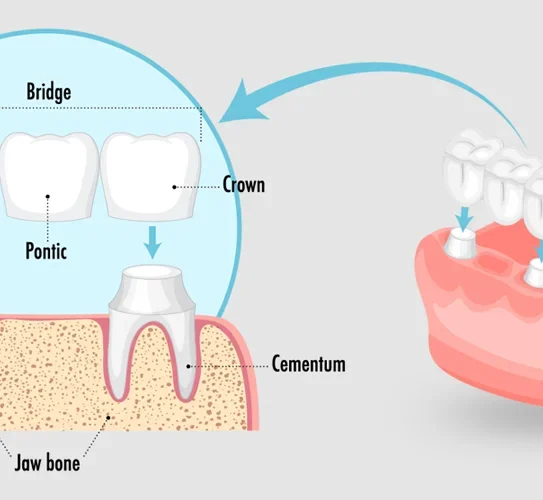
Dental crowns are restorations designed to cover and protect teeth that have lost enough structure to require more support than a filling or other conservative treatment may provide. The material selected for a crown can be different based on factors such as the tooth’s location, available healthy structure, bite forces, and aesthetic considerations.
If you are searching for a dental crown near me, an examination can help identify the condition of the tooth and determine whether crown placement is appropriate. Near Me Dental takes a comprehensive approach by evaluating your teeth, gums, bite, existing dental work, and treatment needs before recommending restorative care.
When Might a Dental Crown Be Recommended?
A crown may be considered when a tooth has extensive decay, a significant fracture, a large existing restoration, or other structural damage. Cracked tooth treatment depends on the location and extent of the crack, so not every cracked tooth requires the same type of care.
A crown may also be considered for broken tooth restoration when enough healthy tooth structure remains to support treatment. An evaluation allows your dentist to assess the condition of the damaged tooth and determine whether restorative treatment may be appropriate.
Patients exploring dental crown services in Columbus may also need a crown after root canal treatment in certain situations. Root canal therapy removes infected or inflamed pulp from inside a tooth, but whether a crown is needed afterward depends on factors such as the tooth involved, remaining structure, previous restorations, and forces placed on the tooth.
What Types of Dental Crowns Are Available?
Crowns can be made from several materials. Porcelain crowns and ceramic crowns may be considered when appearance is an important part of treatment planning. These materials can be selected in shades intended to coordinate with surrounding teeth.
Zirconia crowns are another option to consider, depending on the location of the tooth, bite forces, restorative needs, and aesthetic goals. No single crown material is appropriate for every patient or every tooth.
If you are looking for a crown dentist in Columbus, OH, a dental evaluation can help determine which restorative material and treatment approach may suit your individual needs. Your dentist can discuss the benefits, limitations, and alternatives associated with the options being considered.
What Happens During Crown Placement?
Dental crown restoration begins with an evaluation of the affected tooth and surrounding tissues. When a crown is recommended, the tooth generally needs to be prepared so the restoration can fit over the remaining structure.
During crown placement, damaged or weakened areas may be addressed, and the tooth is shaped as needed for the planned restoration. Information about the prepared tooth and your bite is then used to plan the crown. A temporary crown may be placed when appropriate while the final restoration is being prepared.
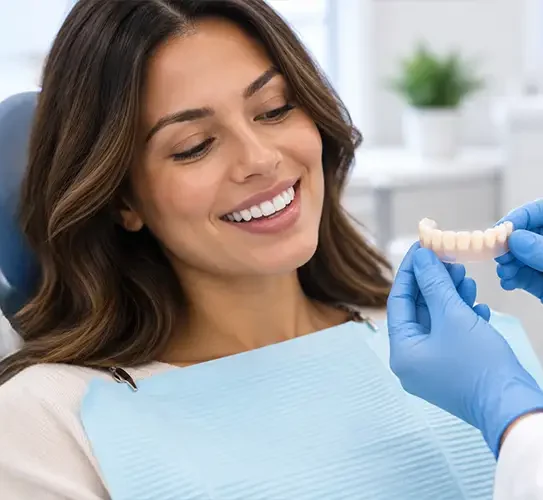
Before the final crown is secured, your dentist can evaluate its fit, bite, and appearance and make adjustments when needed. Near Me Dental may use advanced technology when clinically appropriate to support evaluation and treatment planning. The specific approach depends on your dental needs and recommended care.
Preserving Healthy Tooth Structure
Tooth structure preservation is an important consideration when planning restorative care. A crown requires preparation of the natural tooth, so your dentist should determine whether a crown is necessary or whether a more conservative treatment could appropriately address the concern.
For patients considering tooth crown treatment in Columbus, factors such as the amount of healthy tooth remaining, location of damage, bite forces, existing restorations, and long-term restorative needs can influence treatment planning.
Placing a crown can help strengthen and protect a damaged tooth, but regular oral hygiene and dental care remain important because future problems can still occur. Regular dental care remains important after crown placement.
Caring for a Dental Crown
A crowned tooth still requires daily oral hygiene. Brush regularly and clean between the crowned tooth and neighboring teeth to help remove plaque and food debris. Your dental team can provide care recommendations based on the location and type of restoration.
Avoid using your teeth to open packaging or bite hard non-food objects, as these habits can place unnecessary stress on natural teeth and restorations. If you grind or clench your teeth, tell your dentist so the potential effect on the crown and surrounding teeth can be evaluated.
Dental crown longevity can vary from person to person based on factors such as crown material, tooth health, bite forces, oral hygiene, and everyday habits. A crown may eventually require maintenance, repair, or replacement.
Near Me Dental offers flexible financing options that may help qualifying patients manage recommended dental care and welcomes patients from Reynoldsburg, Gahanna, Brice, and surrounding communities.
Find the Right Approach for a Weakened Tooth
The appropriate treatment for a damaged tooth depends on its condition and remaining structure. Arrange a visit with Near Me Dental in Columbus to have your tooth evaluated and discuss whether crown treatment or another restorative approach may be appropriate.
Frequently Asked Questions
A crown may be considered for a tooth with significant structural damage, extensive decay, a large restoration, or certain fractures. An examination is needed to determine whether a crown or another treatment is appropriate.
No. Treatment depends on the location, depth, and extent of the crack, symptoms, remaining tooth structure, and other clinical findings.
Not every root-canal-treated tooth automatically requires a crown. The recommendation depends on the tooth involved, remaining structure, existing restorations, and functional demands.
Crown materials may include porcelain, ceramic, zirconia, or other dental materials. The recommended option may depend on where the tooth is located, how your teeth come together, the type of restoration needed, and cosmetic preferences.
There is no single lifespan for every crown. Longevity varies depending on the crown material, the condition of the underlying tooth, bite forces, oral hygiene, habits, and other individual factors.