
Root Canal: $1,030–$1,530 per tooth At Near Me Dental
Persistent tooth pain, sensitivity, or swelling may indicate a problem inside a tooth that needs professional attention. At Near Me Dental, care for a root canal in Columbus, OH, begins with an examination to determine the cause of your symptoms. When the dental pulp becomes inflamed or infected, root canal therapy may be recommended to remove the affected tissue, clean and seal the inside of the tooth, and help preserve the natural tooth when possible.
When Might Root Canal Therapy Be Needed?
Inside each tooth is dental pulp, which contains nerves, blood vessels, and connective tissue. Deep tooth decay, cracks, dental trauma, or other damage can allow the pulp to become inflamed or infected. Pulpitis may cause sensitivity or tooth pain, although symptoms can vary depending on the condition of the tooth.
If you are searching for root canal therapy near me, an examination can help determine whether your symptoms are related to the dental pulp or another dental problem. Near Me Dental takes a comprehensive approach by evaluating the affected tooth, your symptoms, dental history, and other relevant findings before recommending treatment.
Signs that may warrant evaluation include persistent tooth pain, prolonged sensitivity to hot or cold, tenderness when biting, swelling, or a pimple-like area on the gums. An infected tooth may sometimes have few noticeable symptoms, which is another reason professional evaluation is important.
How Is a Tooth Evaluated Before Treatment?
Your dentist will examine the tooth and surrounding tissues before determining whether root canal therapy is appropriate. The evaluation may include discussing your symptoms, checking the tooth for tenderness, examining the gums, and using diagnostic imaging when clinically appropriate. Additional tests may be used to assess how the dental pulp responds to certain stimuli.
When you visit a root canal dentist in Columbus, OH, these findings can help determine whether the pulp is inflamed or infected and whether the tooth can reasonably be treated and restored. Near Me Dental may incorporate advanced technology when clinically appropriate to support dental evaluation and treatment planning.
Not every painful tooth requires root canal therapy. Depending on the diagnosis and condition of the tooth, another treatment or referral to an endodontist may be recommended.
What Happens During Root Canal Treatment?
During root canal treatment in Columbus, local anesthesia may be used to numb the treatment area. The dentist creates an opening in the tooth to access the pulp chamber and root canals. Inflamed or infected pulp tissue is removed, and the internal spaces are cleaned, shaped, and disinfected before being filled and sealed.
This type of tooth nerve treatment addresses diseased or damaged pulp rather than simply covering the symptoms. The goal is to treat the affected area while preserving the natural tooth when a reasonable prognosis exists.
Depending on the tooth and treatment needs, root canal therapy may be completed in one or more appointments. A temporary restoration may sometimes be placed between visits. Your dentist can explain the steps involved based on your individual situation.
Restoring and Protecting the Tooth After Treatment
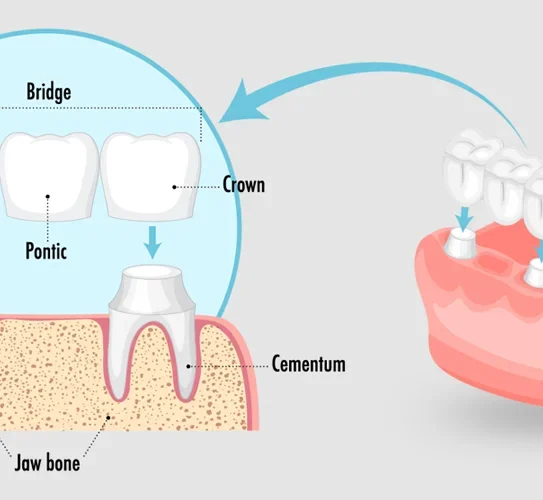
After endodontic treatment in Columbus, OH, the tooth usually requires an appropriate final restoration to protect it and restore function. Depending on how much tooth structure remains and where the tooth is located, this may involve a filling or dental crown. Teeth that have undergone root canal therapy can be more susceptible to fracture, particularly when substantial tooth structure has already been lost.
Root canal recovery varies among patients. Mild tenderness or sensitivity around the treated area may occur for a period after treatment. Follow the post-treatment instructions provided by your dental team, including recommendations for oral hygiene, eating, and any appropriate medications.
Contact your dental provider if you experience worsening or persistent pain, increasing swelling, fever, drainage, or other symptoms that concern you after treatment.
Root Canal Therapy and Dental Abscesses
A dental abscess can develop when bacterial infection results in a collection of pus around a tooth or its supporting tissues. Symptoms may include pain, swelling, tenderness, an unpleasant taste, or fever, although presentation can vary. An abscess requires professional evaluation because treatment depends on its source and severity.
Root canal therapy may be one part of treatment when an abscess originates from infection inside a tooth that can be preserved. Antibiotics may be appropriate in certain situations, particularly when infection is spreading or systemic symptoms are present, but they do not replace treatment of the source when definitive dental care is needed.
Facial or neck swelling accompanied by difficulty breathing or swallowing requires urgent medical attention.
Near Me Dental offers flexible financing options that may help qualifying patients manage the cost of recommended dental care. The practice welcomes patients from Blacklick, Whitehall, Canal Winchester, and surrounding communities.
Have a Painful or Infected Tooth Evaluated
If you have persistent tooth pain, sensitivity, swelling, or concerns about an infected tooth, an evaluation can help identify the cause and determine your treatment options. Schedule a visit with Near Me Dental in Columbus to discuss whether root canal therapy or another approach may be appropriate for your dental needs.
Frequently Asked Questions
No. Tooth pain can have several causes, and root canal therapy is only one possible treatment. Your dentist needs to evaluate the tooth and surrounding tissues to identify the cause of your symptoms and recommend appropriate care.
Local anesthesia is commonly used to numb the area during root canal treatment. Individual experiences vary, and some tenderness or sensitivity may occur afterward. Your dental team can explain what to expect and provide instructions for managing discomfort during recovery.
Root canal therapy may help preserve a tooth when the pulp is inflamed or infected, and the tooth can be predictably restored. Whether a tooth can be saved depends on factors such as the amount of remaining tooth structure, the extent of infection or damage, and the condition of the surrounding tissues.
Not every root canal-treated tooth requires the same type of restoration. A crown is often considered for teeth that need additional protection, while other teeth may be restored differently. Your dentist can recommend an appropriate restoration based on the tooth's location, remaining structure, and functional demands.
An untreated infection inside a tooth may progress and affect tissues around the root, potentially causing pain, swelling, or a dental abscess. In some cases, the tooth may eventually become difficult to preserve. Prompt dental evaluation can help determine the cause and appropriate treatment.