
Teeth Whitening: $150 At Near Me Dental
Tooth discoloration can develop gradually from foods, beverages, tobacco use, aging, and other factors. At Near Me Dental, patients considering teeth whitening in Columbus, OH, can have their teeth evaluated to determine whether professional whitening may be suitable. Whitening treatment is designed to lighten natural tooth structure, but results can vary depending on the type and cause of discoloration.
What Is Professional Teeth Whitening?
Professional teeth whitening uses bleaching agents to lighten certain stains and discoloration in natural teeth. Tooth bleaching commonly involves peroxide-based whitening agents that interact with colored compounds within the teeth.
If you are searching for teeth whitening near me, a whitening consultation can help identify the type of discoloration present and whether whitening is an appropriate cosmetic option. Your dentist can also evaluate your teeth, gums, existing restorations, and history of sensitivity before recommending treatment.
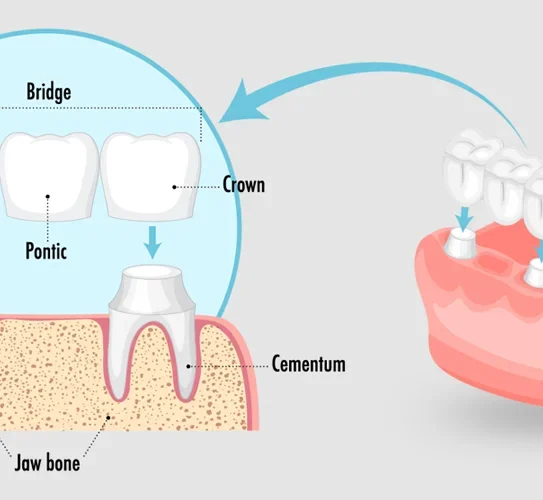
Whitening does not affect every type of discoloration in the same way. Crowns, veneers, fillings, and other tooth-colored restorations generally do not lighten along with natural teeth.
What Causes Tooth Discoloration?
Evaluating why teeth have become discolored can help your dentist plan care based on the type of staining present. Extrinsic stains develop on the outer surfaces of teeth and may be associated with factors such as coffee, tea, red wine, tobacco, and other strongly pigmented substances.
Intrinsic stains occur within the tooth structure. They may be related to aging, tooth development, certain medications, dental trauma, or other factors. Some intrinsic discoloration may respond differently to whitening than common surface staining.
Patients considering professional teeth whitening in Columbus can have the source and extent of discoloration evaluated before treatment. This helps establish realistic expectations because not every stain or tooth responds to bleaching in the same way.
In-Office and Take-Home Whitening
Professional whitening may involve different approaches depending on the patient's oral health, cosmetic goals, and recommended care.
In-office whitening is performed in a dental setting using a professionally administered whitening system. The teeth and surrounding tissues are evaluated before treatment, and the whitening material is applied according to the selected protocol.
Take-home whitening may use dentist-provided trays and whitening material for use outside the office. Patients receive instructions on how much material to use, how long to wear the trays, and how often to complete treatment, based on the prescribed system.
The availability and suitability of either approach should be confirmed during an evaluation. Near Me Dental takes a comprehensive approach to cosmetic care and may incorporate advanced technology when clinically appropriate during evaluation and treatment planning.
What Happens During a Whitening Consultation?
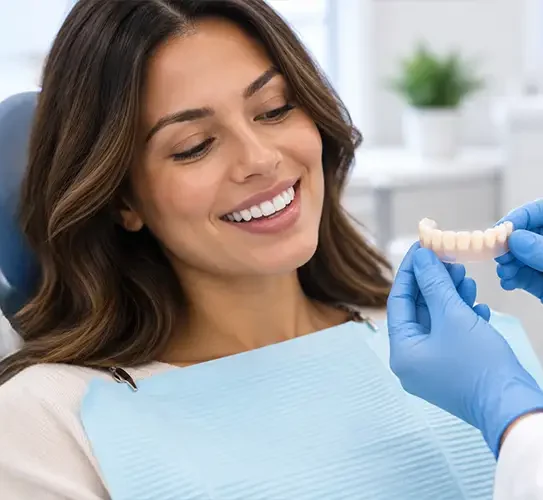
A whitening consultation allows your dentist to examine your teeth and discuss the changes you would like to make. Existing tooth color, staining patterns, restorations, gum health, tooth sensitivity, and other clinical findings may be considered before recommending whitening. Before beginning teeth whitening treatment in Columbus, OH, your dentist can check for dental concerns that may require attention before the whitening process starts. Cavities, damaged restorations, gum concerns, or other conditions may affect treatment planning.
Your dentist can also explain what whitening may realistically accomplish. Because restorative materials generally maintain their existing shade, whitening natural teeth around crowns, veneers, or tooth-colored fillings can sometimes create noticeable color differences.
Enamel Safety and Sensitivity Management
Enamel safety is an important consideration when using whitening products. Professional supervision allows the dentist to consider your oral health, the whitening method, product instructions, and any previous history of sensitivity when planning treatment.
Temporary tooth sensitivity can occur during or after whitening. Sensitivity management depends on the individual situation and may involve changes to the whitening schedule, product use, or other recommendations from your dentist.
Whitening products can also irritate the gums if the bleaching material contacts soft tissues. Following professional instructions and using whitening products as directed can help reduce unnecessary exposure.
If you are looking for a whitening dentist in Columbus, discussing your previous sensitivity and existing dental work during your consultation can help your dentist determine whether whitening is suitable and how to approach treatment.
Maintaining Your Whitening Results
Whitening results vary between patients and are not permanent. Teeth may gradually develop new discoloration over time due to diet, tobacco use, aging, oral hygiene habits, and other individual factors.
Regular brushing, cleaning between your teeth, and professional dental care can help maintain oral health after whitening. Your dental team can also discuss whether future whitening or touch-up treatment may be appropriate based on your needs.
Avoiding or limiting habits that contribute to staining may help preserve your teeth's appearance, although no whitening treatment can prevent future discoloration entirely.
Near Me Dental offers flexible financing options that may help qualifying patients manage recommended dental care and welcomes patients from Pickerington, Canal Winchester, Brice, and surrounding communities.
Understand Your Whitening Options
Interested in brightening your natural teeth? Arrange a consultation with Near Me Dental in Columbus to discuss the cause of your tooth discoloration and whether professional whitening may be an appropriate option for your smile.
Frequently Asked Questions
Whitening may help lighten certain extrinsic and intrinsic stains, but the response varies with the cause and severity of discoloration. A dental evaluation can help determine whether whitening may be suitable.
In-office whitening is performed in a dental setting, while dentist-supervised take-home whitening is completed outside the office according to provided instructions. The appropriate approach depends on individual needs and treatment recommendations.
While whitening may lighten natural teeth, existing restorations such as crowns, veneers, and composite fillings usually retain their original shade.
Whitening can sometimes cause short-term tooth sensitivity, although individual experiences may vary. Let your dentist know about any existing sensitivity so it can be taken into account when planning treatment.
There is no single duration for whitening results. How long the change remains noticeable can depend on diet, tobacco use, oral hygiene, the original discoloration, and other individual factors.